Trucking insurance · Price check
Your authority is active. The load is not moving until the certificate is right.
Brokers check filings and certificates before they check anything else. A policy that is technically in force but worded wrong loses the load anyway.
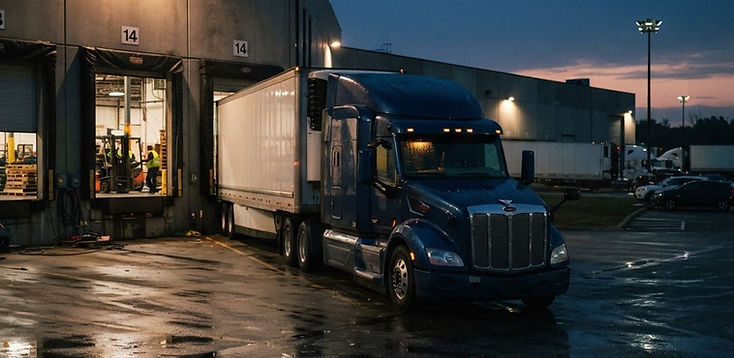
You have the authority, the truck is financed, the load is booked, and then the broker asks for the certificate and the filing. Primary liability at the required limit, cargo, physical damage with the lienholder listed, and the right endorsement set. Every one of those is a checkbox someone else controls, and none of them can be fixed at the shipper’s gate.
Does this sound like your trucking insurance?
- A broker rejected your certificate because a requirement was missing.
- You are leased on to a carrier and are not sure whose policy covers what.
- Your cargo limit is lower than what your shippers require.
- You have no coverage for the truck when it is not under dispatch.
- Your renewal came in far higher with no claims to explain it.
Primary liability is the floor, not the coverage
The federal minimum is the entry ticket. Shippers and brokers routinely require higher limits, and some contracts specify cargo limits above what a basic policy carries.
Gaps in the filing do not show up as a warning. They show up as a load that goes to another carrier.
Cargo is where the expensive claims live
Cargo claims are not just total losses. A rejected load, a temperature failure, a theft from a parked trailer: each one runs against the cargo limit and the deductible.
Physical damage with the correct stated value and the lienholder properly listed decides whether the truck gets repaired after an accident.


“A broker does not care how long you have driven. The broker cares what the certificate says.”
The gap when you are not under dispatch
Non-trucking liability covers the personal use of the truck between loads. Without it, a weekend accident in your own truck can fall between the motor carrier policy and your personal auto policy.
Owner-operators leasing on to a carrier need to know exactly which policy responds, and when.
One short form, and a licensed agent takes it from there.
Tell us your state. Your inquiry is forwarded to one licensed insurance agency licensed in that state, which will contact you about trucking insurance. No obligation.
What we check before we call you back
This is not a form that disappears into a queue. It is a working list an agent goes through with you on the call for trucking insurance.
- Primary liability limits against broker and shipper requirements
- Motor truck cargo limits and deductible
- Physical damage at stated value with the lienholder listed
- Non-trucking liability and trailer interchange
- Filings, certificates and same-day evidence where possible
Tell an agent your operation and the requirements you are being held to. You get the coverage structure, the certificate wording and a quote from carriers that write your class.