Home insurance · Price check
Your policy probably insures the wrong number. You will only find out after the fire.
Most homeowners are covered for a figure an agent typed in years ago. Rebuilding a house is priced nothing like buying one, and the difference comes out of your pocket.
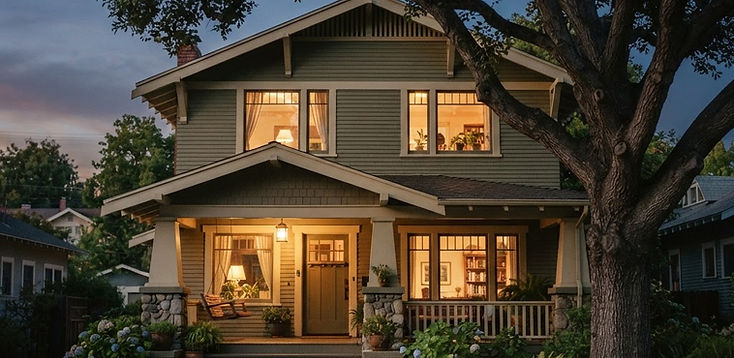
There is one number in your homeowners policy that decides whether you rebuild your house or spend two years arguing with a claims adjuster. It sits on page one, under Coverage A, and most people have never read it. They assume it is the value of the house. It is meant to be the cost of putting it back, at today’s labour and material prices, which are not the prices from when the policy was written.
Does this sound like your home insurance?
- Your renewal jumped and the only explanation was a one-line note about "market conditions".
- You have no idea whether your Coverage A still matches what rebuilding would cost today.
- Your roof is older than ten years and you do not know if a claim would be paid.
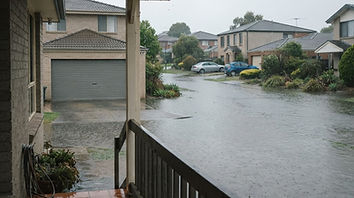
- You are not sure whether water coming in from outside is covered at all.
- You have renovated the kitchen or added a room and never told the carrier.
Market value and rebuild cost are two different numbers
What your house would sell for includes the land. What it costs to rebuild excludes the land and includes everything that has become expensive: lumber, roofing, electrical, permits, debris removal.
If Coverage A sits below the real rebuild cost, most policies quietly reduce every claim payment by the same percentage. You are not underpaid at the end. You are underpaid from the first dollar.
The two claims you are most likely to have are the two your policy handles worst
Water is the leading cause of home claims, and the line between a covered burst pipe and an excluded flood is drawn by wording, not by how wet the floor is. Roofs are the second, and age or wear is excluded on almost every policy.
A replacement cost policy with an actual roof schedule and a water backup endorsement costs a little more and behaves completely differently the one time you need it.


“A policy is neither expensive nor cheap until you know what number is sitting in Coverage A.”
Your premium moved. The question is what moved with it
Rebuild costs in your ZIP code, roof age, claims in the area and the carrier’s appetite all reprice your renewal, and each carrier weighs them differently.
Two identical houses on the same street can be quoted hundreds apart. The only way to know which side of that you are on is to have both quotes in front of you at once.
One short form, and a licensed agent takes it from there.
Tell us your state. Your inquiry is forwarded to one licensed insurance agency licensed in that state, which will contact you about home insurance. No obligation.
What we check before we call you back
This is not a form that disappears into a queue. It is a working list an agent goes through with you on the call for home insurance.
- Replacement cost estimate against your actual Coverage A limit
- Roof age, roof schedule and cosmetic damage treatment
- Water backup, sump overflow and the flood exclusion
- Deductibles: flat versus percentage of the dwelling limit
- Bundling with auto and the credits that actually apply in your state
Send the basics and an agent walks your policy line by line on the phone, re-prices the same dwelling limit across carriers, and tells you plainly where you are exposed and what closing that gap costs.